Signs That a Tree Needs Cabling
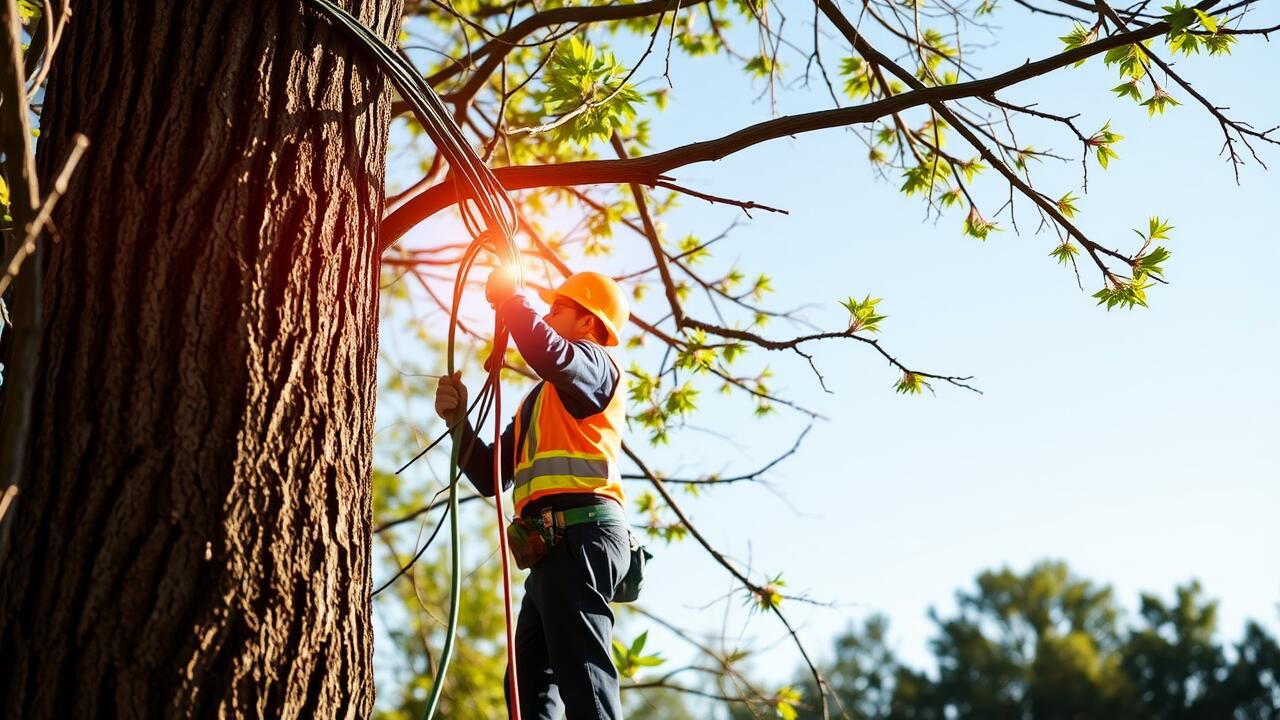
Recognizing the signs that a tree needs cabling is crucial for maintaining its health and stability. One common indicator is the presence of large, heavy branches that may appear to be leaning or showing signs of excessive weight. Trees with multiple leaders can also benefit from cabling, as these structures may compete for resources and increase the risk of structural failure. Observing any splitting or cracking in the trunk or branches can signify weaknesses that warrant intervention.
Additionally, trees that experience frequent stress from environmental factors, such as wind or heavy snowfall, are prime candidates for Tree Cabling and Bracing. Weak root systems or signs of root decay can further increase susceptibility to damage during storms. By identifying these warning signs early, property owners can take proactive measures to support their trees and prevent potential hazards. Regular evaluations of tree conditions can help ensure the longevity and stability of these valuable assets.
Identifying Weaknesses in Branches
Identifying weaknesses in branches is crucial for determining the necessity of tree cabling and bracing. Signs such as cracks, splits, or significant lean can indicate structural issues that may jeopardize the tree's health. Branches that grow too closely together can also create competition for light and nutrients, leading to weakened growth over time. Regular observation helps detect these early warning signs, enabling timely intervention to prevent further damage.
In addition to visual inspections, assessing branch thickness and overall stability is essential. A branch that appears disproportionately thin compared to its length may lack the strength needed to support its own weight, especially in adverse weather conditions. Understanding the branch arrangement and strength helps in making informed decisions about tree cabling and bracing, ensuring that the tree remains stable while minimizing the risk of failure.
Maintenance of Cabled Trees
Cabled trees require ongoing maintenance to ensure their health and stability. Regular inspections should be conducted to check the integrity of the cables and any associated hardware. Signs of wear, rust, or significant movement in the branches can indicate the need for adjustment or replacement. In particular, monitoring for any growth that might interfere with the cables is essential, as this can create pressure points that lead to damage.
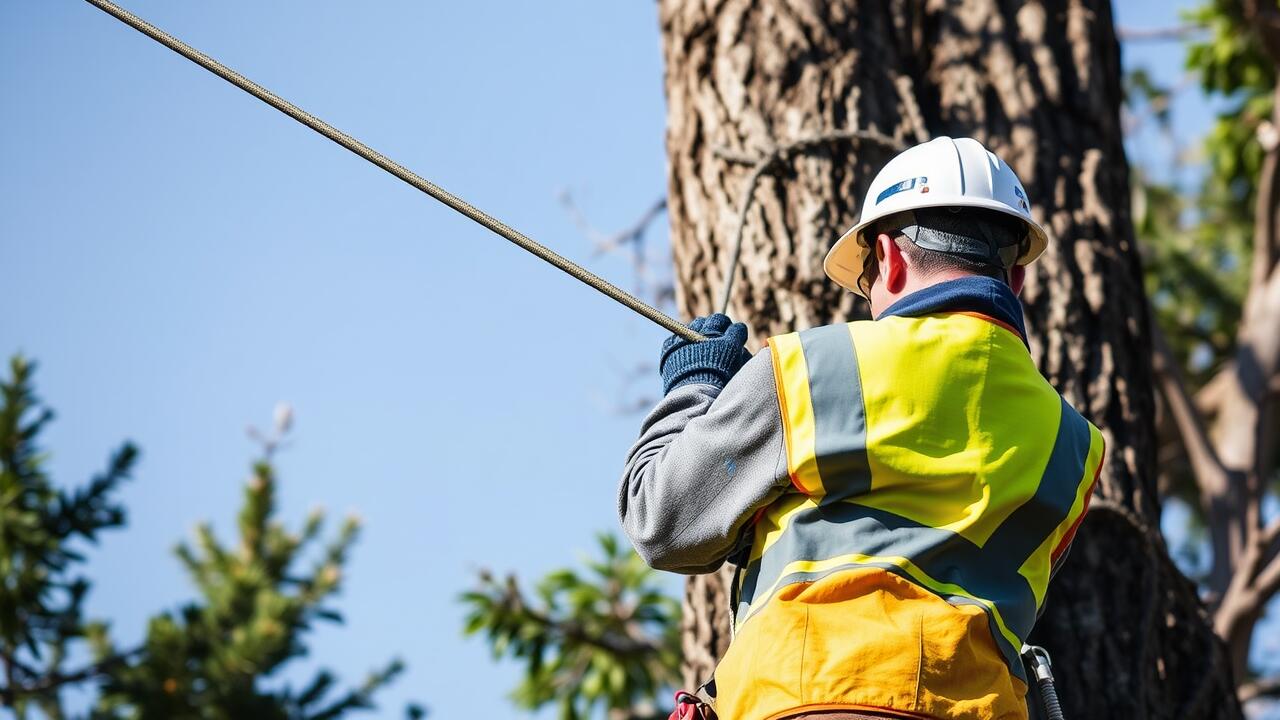
Tree Cabling and Bracing techniques involve an initial installation process that may need refinements over time. It's important to schedule maintenance sessions at least once a year or more frequently in adverse weather conditions. During these inspections, professionals can assess the tension of the cables and ensure they are securely attached. This proactive care can prevent further stress on the tree and extend its lifespan, ultimately maintaining the balance and safety of the surrounding environment.
Regular Inspections and Adjustments
Regular inspections and adjustments are critical to the ongoing health of a cabled tree. Over time, weather conditions, growth patterns, and general wear can shift the cables or change the tree's structure. Inspecting these cables ensures they remain tight and in their proper position. Additionally, monitoring for signs of abrasions or excessive tension is essential. Catching these issues early can prevent more significant problems down the road.
Tree cabling and bracing systems may need periodic readjustments to accommodate the natural growth of the tree. As branches grow thicker or the tree develops new shoots, existing cables might become too restrictive. Routine checks allow for necessary modifications, helping to prevent injury to the tree and maintaining its stability. A proactive approach to inspections helps safeguard the tree’s health and longevity.
Risks of Improper Tree Cabling
Improper tree cabling can lead to several issues that compromise both the health of the tree and the safety of its surroundings. Inadequate installation may cause undue stress on branches, leading to fractures or even breakage. When cables are placed too tightly, they can constrict growth, resulting in girdling wounds that invite pests and diseases. This deterioration can alter the tree's natural growth pattern, potentially leading to an unbalanced structure.
Additionally, the risks associated with Tree Cabling and Bracing extend beyond just the tree itself. If cables snap or loosen, they can pose a hazard to nearby structures or people. The weight distribution may shift suddenly, risking falls that could cause injury or property damage. Regular monitoring is essential to mitigate these risks, ensuring that the cabling system remains effective while supporting the tree's health and stability.
Potential Damage to the Tree
Improper tree cabling can lead to various detrimental effects on the tree's health. If cables are installed too tightly, they may restrict natural growth, causing wounds or girdling that inhibit nutrient and water transport. Over time, the stress from improperly secured cables can make a tree more susceptible to disease and insect infestations. This risk emphasizes the need for careful installation and ongoing monitoring.
Additionally, the use of the incorrect materials can cause friction or abrasion on the tree bark. If synthetic materials degrade or break down, this may expose the tree to environmental stresses it is not equipped to handle. Regular assessments are crucial to ensure that the Tree Cabling and Bracing system remains effective without compromising the tree's vitality. A well-maintained installation should promote stability while allowing the tree to thrive.
FAQS
What does it mean to cable a tree?
Cabling a tree involves installing flexible cables to support weak branches or stems, helping to stabilize the tree and prevent further damage.
How can I tell if my tree needs cabling?
Signs that a tree needs cabling include visible cracks in branches, leaning trunks, or branches that are heavily weighted with foliage, especially after storms.
How often should cabled trees be inspected?
Cabled trees should be inspected at least once a year to check for any signs of wear, shifting of cables, or changes in the tree's health.
What are the risks of improperly cabling a tree?
Improper cabling can cause damage to the tree, including girdling, which can harm the tree’s ability to transport nutrients and lead to decay or death.
Can all trees be cabled?
Not all trees are suitable for cabling. Factors such as the tree's species, age, overall health, and the extent of existing damage will influence whether cabling is appropriate.