Professional Installation vs. DIY
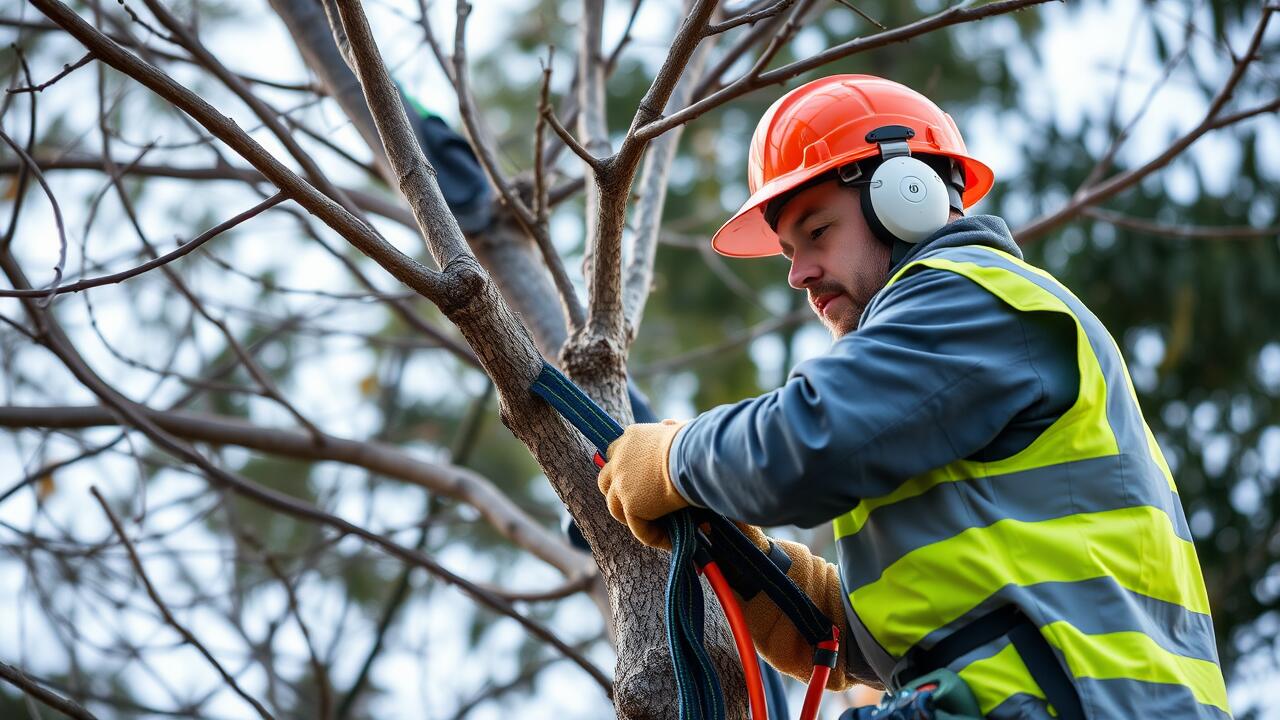
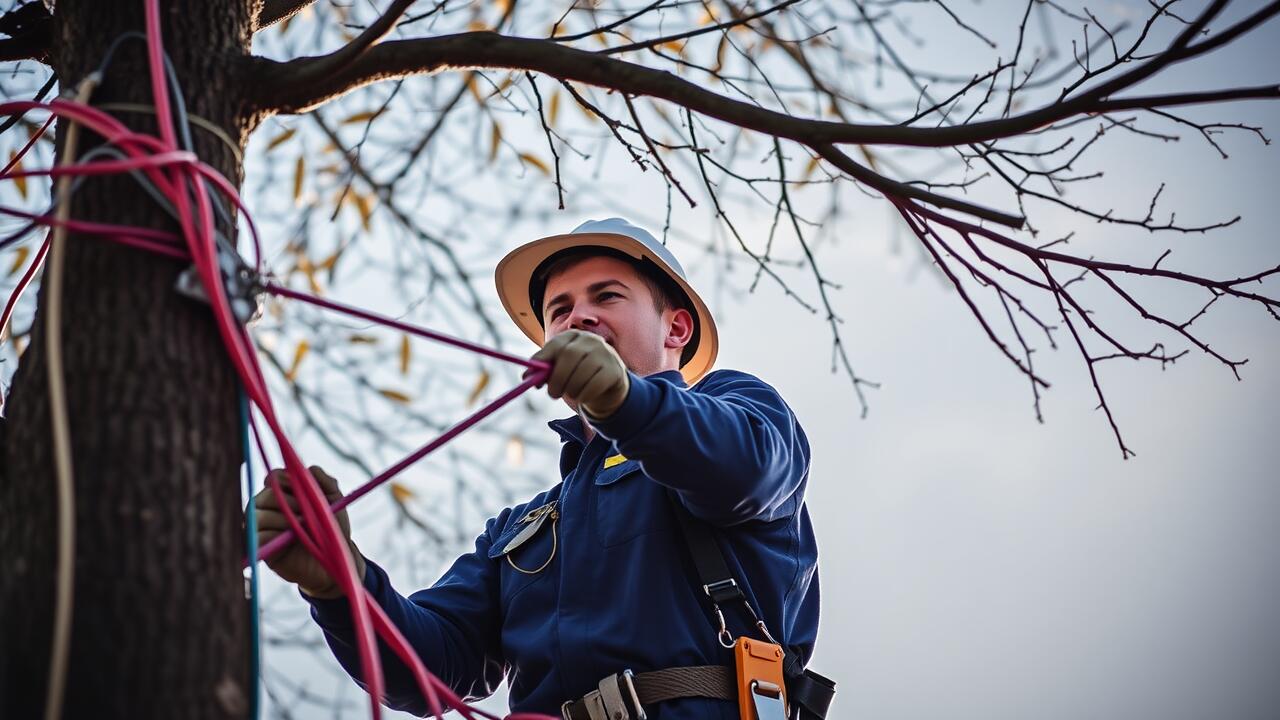
When considering tree cabling and bracing, the choice between professional installation and a DIY approach often comes into play. Professional arborists bring significant expertise to the table. They understand the unique requirements of each tree and can assess health and structural integrity accurately. This specialized knowledge can prevent potential mistakes that might occur during a DIY installation, resulting in better long-term stability for the tree.
On the other hand, some homeowners may feel confident enough to attempt tree cabling and bracing on their own. However, it’s essential to recognize the risks involved. Inadequate installation may lead to further damage, injuries, or even tree loss. Homeowners should weigh their skills, tools available, and the specific conditions of their trees before deciding on DIY methods versus hiring a professional for this critical task.
Weighing the Pros and Cons
Tree cabling and bracing present a variety of advantages and disadvantages that must be carefully considered. On the positive side, this technique can significantly enhance the structural integrity of trees at risk of failure due to weak branches or poor growth patterns. It offers protection against storms and high winds, reducing the chances of property damage or personal injury from falling limbs. Properly executed tree cabling can extend the life of a tree, allowing it to coexist safely with its surroundings.
However, there are also drawbacks associated with tree cabling and bracing. If improperly installed or maintained, it may lead to additional stress on the tree, obstructing natural growth or even causing injury. The materials used in cabling might degrade over time, necessitating regular check-ups and adjustments. Moreover, there are initial and ongoing costs involved that can influence a homeowner's decision, making it essential to weigh these factors carefully before proceeding.
Maintenance of Cabled Trees
Maintaining cabled trees is crucial to ensure their health and longevity. Regular inspections should be conducted to assess the condition of both the tree and the cabling system. Signs of wear or damage in the cables can indicate the need for immediate attention. Additionally, checking for any changes in the tree’s structure or growth patterns can help prevent potential issues down the line.
Tree cabling and bracing require continuous monitoring to remain effective. Adjustments may be necessary as the tree grows and changes over time. Proper maintenance not only enhances the stability of the tree but also promotes its overall health. Neglecting these maintenance tasks can lead to increased risk of failure or damage, compromising the effectiveness of the cabling system.
Regular Inspections and Adjustments
Regular inspections and adjustments are crucial for the health and stability of cabled trees. Tree cabling and bracing systems may weaken over time due to wear and environmental factors. A routine check can help identify any signs of wear, rust, or improper tension. Adhering to a schedule for these inspections ensures that any potential issues are addressed promptly, allowing for a safer environment around the tree.
During these inspections, adjustments may be necessary to accommodate the tree's growth. As trees change over time, the cabling system must adapt to avoid causing damage. This may involve repositioning straps or altering the tension applied. Regular maintenance not only prolongs the effectiveness of the cabling system but also supports the overall health of the tree.
Cost Factors in Tree Cabling
Several factors influence the overall cost of tree cabling and bracing. The size and species of the tree play a significant role, as larger or more complex trees require more materials and labor for proper installation. Additionally, the condition of the tree can impact the price. Trees that are diseased or have structural issues may need extra attention and resources to ensure the cabling system is effective and safe.
Labor costs can vary depending on the region and the experience level of the professionals involved. Specialized arborists often command higher fees due to their expertise in tree health and safety practices. Moreover, the necessary materials for tree cabling and bracing, including cables, bolts, and support structures, contribute to the final expenses. Property accessibility and potential challenges also affect pricing as these factors can complicate the installation process.
What Affects Pricing?
The pricing for tree cabling can vary significantly based on several factors. The size and type of the tree play a crucial role, as larger trees often require more materials and labor to secure them properly. Additionally, the complexity of the cabling system needed for a particular tree can increase costs. Trees that exhibit more limb movement or other structural vulnerabilities may necessitate a more intricate setup.
Another important consideration is the experience level of the professionals handling the job. Companies with a proven track record in Tree Cabling and Bracing may charge higher fees due to their expertise. Local market conditions can also influence pricing, as demand for tree care services fluctuates. Other factors include the geographical location and the specific services offered during the installation process.
FAQS
What is tree cabling?
Tree cabling is a technique used to support weak or damaged tree branches by installing cables that help stabilize them, reducing the risk of breakage and promoting healthy growth.
Is tree cabling safe for trees?
Yes, when done correctly by a professional, tree cabling is safe for trees. It can help prevent damage during storms and promote overall tree health, but improper installation can lead to harm.
How often should cabled trees be inspected?
Cabled trees should be inspected at least once a year, or more frequently if there are environmental changes or severe weather events, to ensure that the cables are functioning properly and not causing harm to the tree.
Can I install tree cabling myself?
While DIY tree cabling is possible, it is generally recommended to hire a professional arborist to ensure proper installation and avoid potential damage to the tree or hazards to people and property.
What factors influence the cost of tree cabling?
The cost of tree cabling can vary based on factors such as the size and health of the tree, the complexity of the installation, the type of materials used, and the labor costs in your area.