When to Consider Professional Help
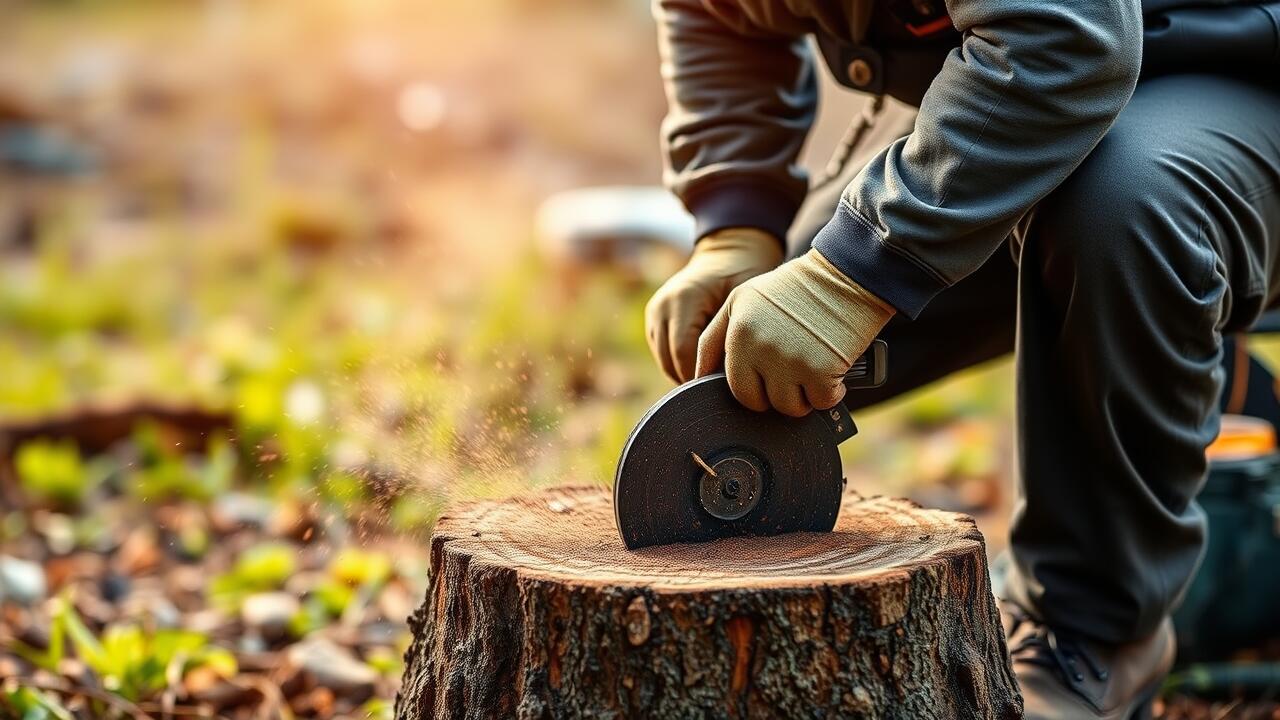
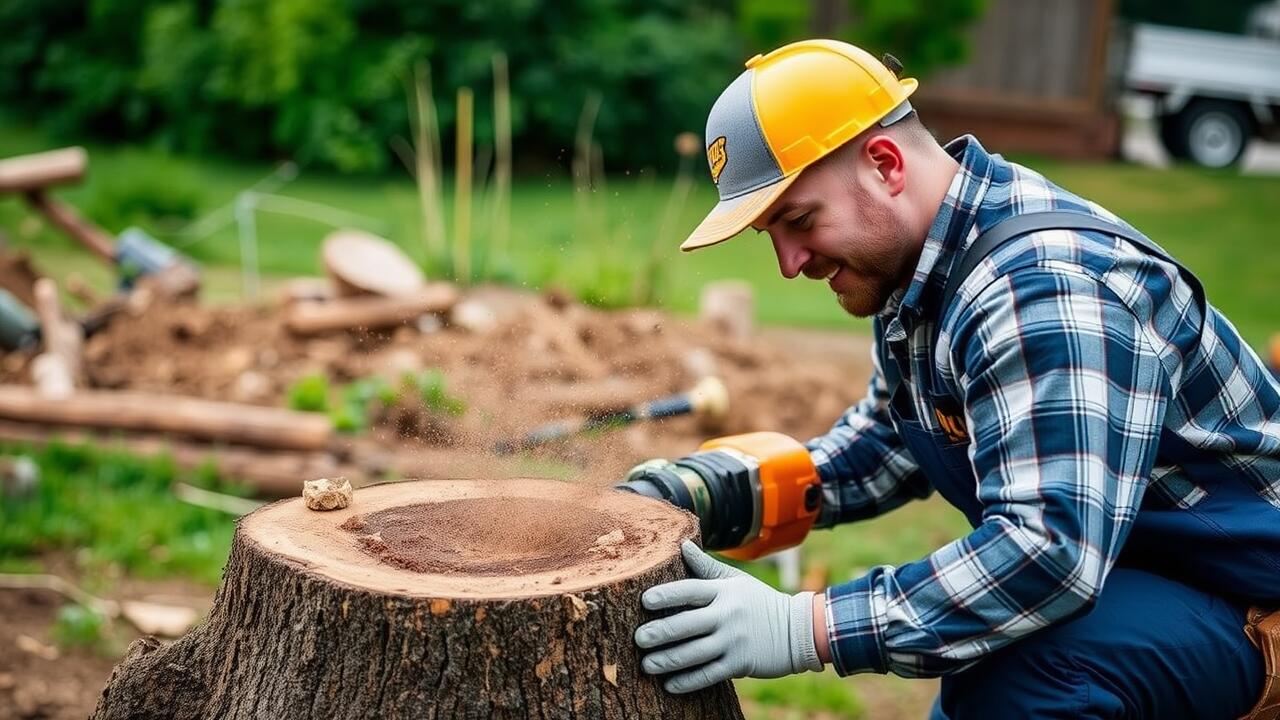
When tackling stump grinding, there are instances where enlisting professional help becomes essential. If the stump is particularly large or situated in a spot with limited access, a professional's expertise ensures safety and efficiency. Stumps can also harbor pests or disease, and removing them without proper knowledge might spread these issues throughout your yard. In these cases, hiring an expert can provide peace of mind and a more thorough job.
Another factor to consider is your own physical capability and experience with heavy machinery. Stump grinding involves operating powerful equipment, which can be daunting for those unfamiliar with it. If you have doubts about your ability to manage the tools safely or if it's your first experience with stump grinding, seeking a professional can save you time and potential injuries. The costs may seem higher upfront, but they can be justified by the quality of work and reduced risk involved.
Signs That You Should Hire an Expert
Certain signs indicate that hiring a professional for stump grinding might be the best choice. If the stump is unusually large or deep-set, dealing with it can pose significant challenges. Furthermore, tree roots often extend further than visible, complicating the removal process. When unpredictable terrain exists, such as proximity to structures, power lines, or other plants, the risks associated with DIY attempts increase.
Experience in handling equipment matters when contemplating stump grinding. Professionals come equipped with specialized tools designed for various stump sizes and ground conditions. If you lack prior experience or don’t feel comfortable operating heavy machinery, it’s wise to consult an expert. Mistakes can not only lead to further damage but can also result in injury to those involved in the process.
Costs Associated with DIY Stump Grinding
When considering DIY stump grinding, budgeting for tools and equipment is crucial. Renting a stump grinder can cost anywhere from $100 to $400 per day, depending on the machine's size and power. Additional expenses may arise if you choose to purchase ancillary tools such as gloves, safety goggles, and a chainsaw. Even with rental fees in mind, DIY can be appealing due to the potential savings compared to hiring a professional.
Another factor to consider is the time investment required for stump grinding. Preparing the area, operating the equipment, and cleaning up afterward can be time-consuming. If you lack experience, additional time may also be needed to learn how to operate the grinder safely and effectively. It is important to factor in the value of your time when calculating the overall costs associated with this project.
Budgeting for Tools and Equipment
When considering a DIY approach to stump grinding, budgeting for the necessary tools and equipment is essential. The primary investment will likely be in a stump grinder, which can range significantly in cost depending on its size and capabilities. For smaller stumps, renting a lighter model may suffice, while larger stumps could necessitate renting a more powerful machine. Additionally, you may need other tools such as chainsaws or axes to prepare the stump for grinding, adding to your overall costs.
Beyond renting equipment, don’t overlook expenses related to safety gear, including goggles, gloves, and ear protection. These are crucial while performing any stump grinding tasks and should be factored into your budget. Also, remember that after the initial grinding, you might want to invest in landscaping materials to patch the area. Planning for these costs will ensure you have everything needed to complete the job effectively and safely.
Maintenance Post-Grinding
After stump grinding, it is essential to take proper care of the area to ensure a healthy yard. The removal of the stump leaves a substantial hole filled with wood chips and debris. This space needs to be filled with good-quality topsoil to promote healthy grass and prevent any potential issues like uneven ground or water pooling. Regular watering and monitoring of the filled area can aid in achieving a seamless integration with the existing landscape.
In addition to soil management, it is important to watch for any signs of pests or diseases. The wood chips left behind can attract insects or decomposing roots that may harm other plants in the vicinity. Keeping the area clear of extra debris and maintaining overall yard hygiene will help mitigate these risks. Regular inspections will ensure that any problems are addressed promptly, providing a thriving environment post-stump grinding.
Caring for Your Yard After Stump Removal
After stump grinding, your yard may require some attention to regain its former beauty. Begin by filling the hole left by the stump with soil. This helps level the lawn and prevents water from pooling in the depression. Adding grass seed or sod can facilitate quick regrowth. Regular watering will encourage the new grass to establish itself, ensuring your yard looks cohesive and well-maintained.
In the months following stump grinding, monitor the area for any remaining roots or debris. These can impede future landscaping efforts and affect lawn health. Consider reseeding the entire yard to create an even growth pattern or to introduce different grass types. Regular maintenance, such as mowing and fertilizing, will enhance the overall appearance and health of your yard after the removal process.
FAQS
Can I grind a stump myself?
Yes, you can grind a stump yourself if you have the right tools, equipment, and knowledge. However, it requires significant effort and safety precautions.
What tools do I need for DIY stump grinding?
For DIY stump grinding, you'll need a stump grinder, safety gear (gloves, goggles, ear protection), and potentially a chainsaw to cut the stump down to size before grinding.
Are there any signs that I should hire a professional for stump grinding?
Yes, signs that you should hire a professional include having a large or deep stump, lack of experience with heavy machinery, or if the stump is located near utility lines or structures.
How much does it cost to grind a stump yourself?
The cost can vary widely based on tool rental fees, safety equipment, and any additional materials needed, but budgeting around $100 to $500 is common for a DIY project.
What should I do to maintain my yard after stump grinding?
After stump grinding, you should fill the hole with soil, monitor for any regrowth, and ensure proper drainage to maintain the health of your yard.